Managing Side Effects of Your Weight Loss Shot: A Patient Guide
Starting your weight loss shot journey is exciting, but knowing how to manage side effects can make all the difference in staying on track and feeling your best along the way.
Side effects from injectable weight loss medications are common, especially in the early weeks. Most patients find they are manageable with a few simple strategies. This guide covers the most frequent side effects and practical tips to help you stay comfortable throughout your treatment.
Common Side Effects of a Weight Loss Shot
Most side effects from weight loss injections are digestive in nature. Nausea, vomiting, diarrhea, and constipation are the most frequently reported experiences. These tend to be most noticeable after your first few doses and often ease as your body adjusts.
Injection site reactions are also common. You may notice mild redness, itching, or bruising where the medication was given. These reactions are typically short-lived and resolve on their own.
Other side effects some patients report include fatigue, headaches, and dizziness. These can often be linked to changes in appetite and calorie intake during the early stages of treatment.
How Do You Reduce Nausea From Weight Loss Injections?
Nausea is the most common side effect patients experience. Eating smaller, lower-fat meals may help keep it from getting worse. Avoid greasy or heavily spiced foods, especially in the days following your injection.
Staying hydrated is also key. Sipping water throughout the day can help settle your stomach and reduce the likelihood of vomiting. Ginger tea or small crackers are often helpful for mild queasiness.
Timing matters, too. Some patients find that taking their injection in the evening means nausea fades while they sleep. Talk to your provider about whether adjusting your injection schedule might work better for you.
Managing Digestive Side Effects Day to Day
Digestive comfort often comes down to diet choices. A few simple adjustments can make your treatment period more manageable.
Here are some strategies that may help:
Eat slowly and stop before you feel overly full.
Choose bland, easy-to-digest foods like rice, bananas, toast, and cooked vegetables.
Limit alcohol, as it can make nausea and stomach upset worse.
Stay moving with light activity like walking, which may support healthy digestion.
If constipation is an issue, increase fiber gradually and drink plenty of water.
If diarrhea persists for more than a couple of days, contact your provider. Dehydration can become a concern if it goes unchecked.
Injection Site Care and Comfort
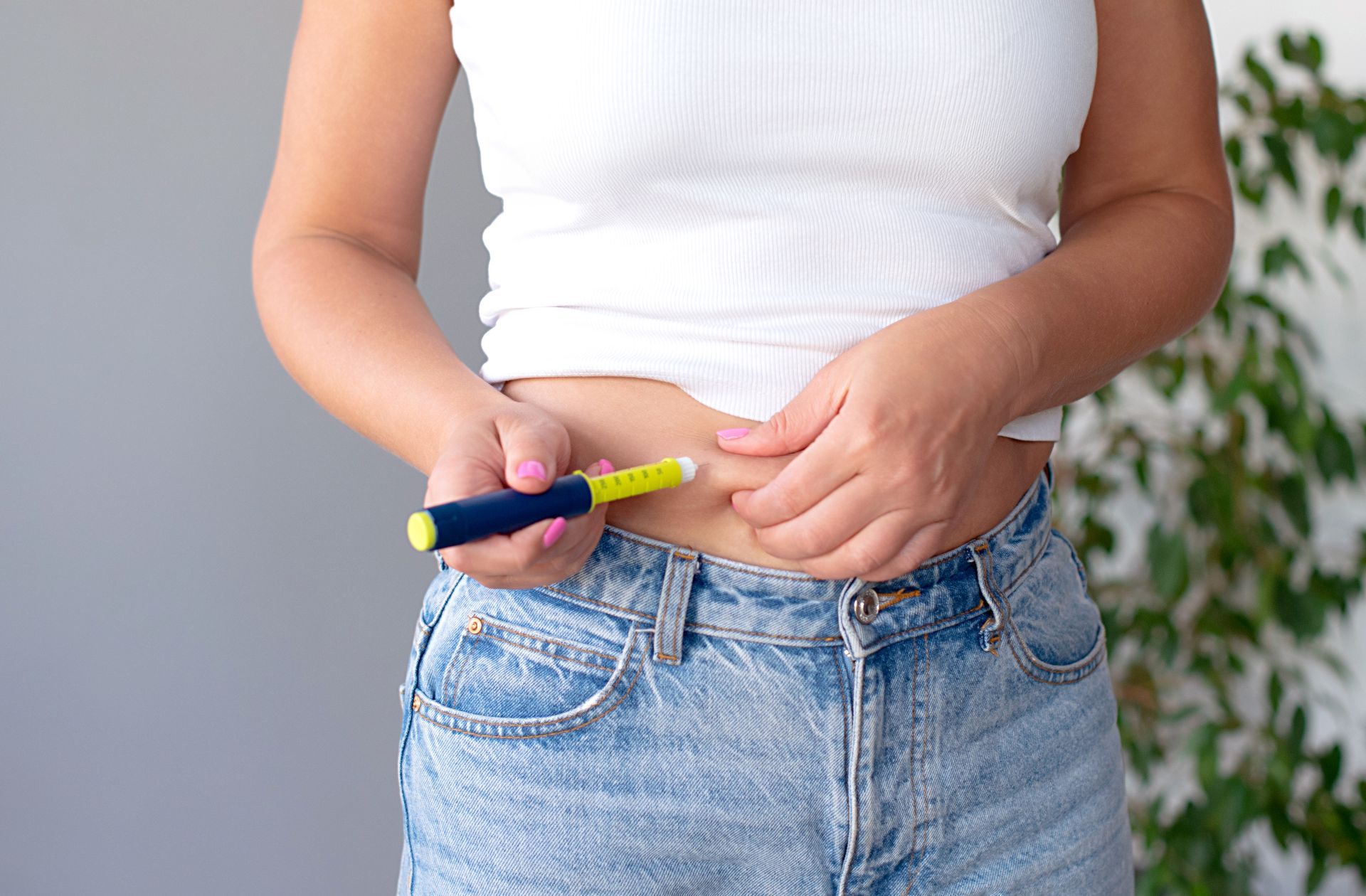
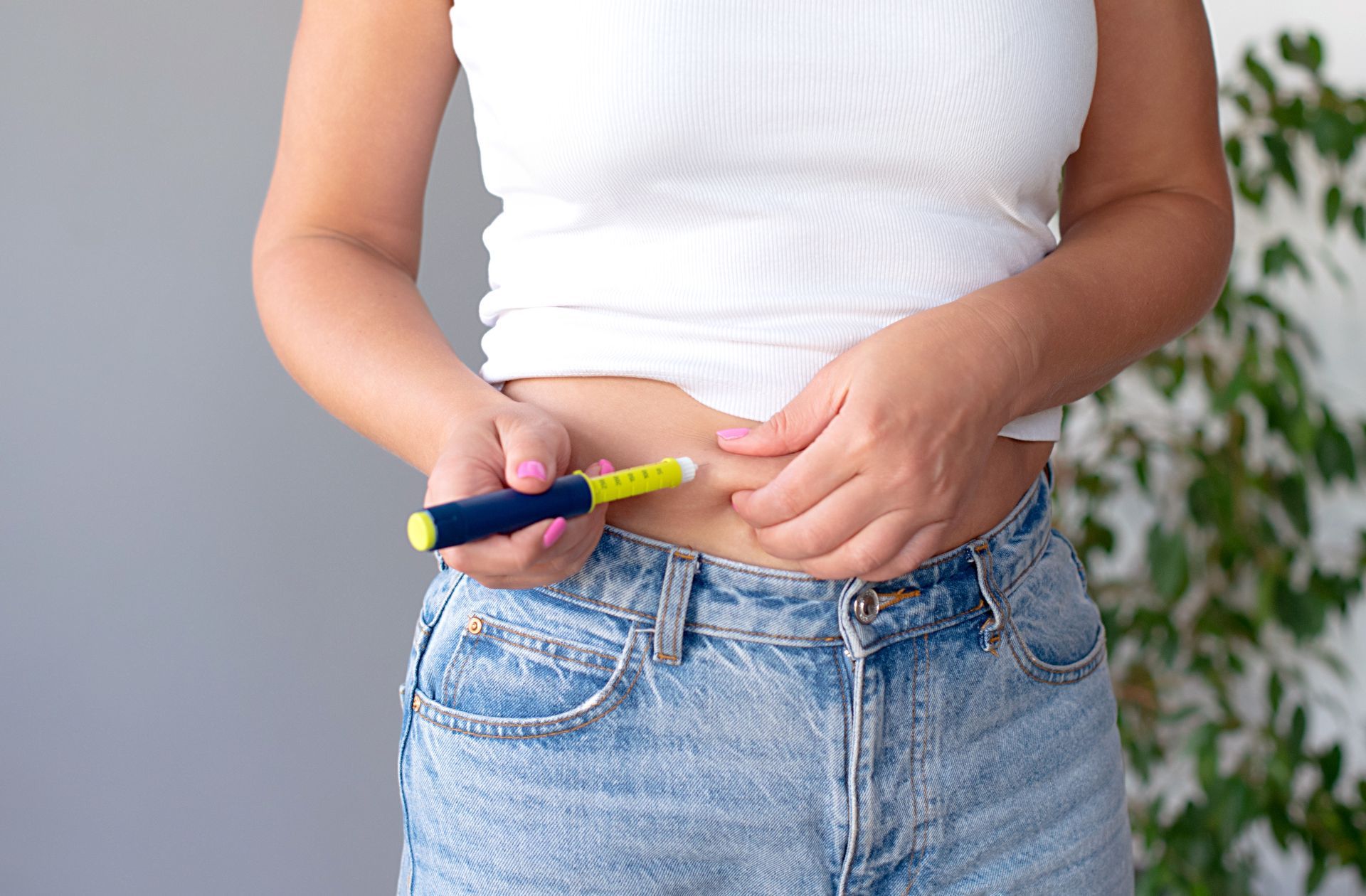
Proper injection technique can reduce soreness and irritation at the site. Rotating your injection sites regularly helps prevent buildup of irritation in any one area.
Let the medication reach room temperature before injecting, if possible. Injecting cold medication can increase discomfort. Use a clean, dry area of skin and allow any alcohol swabs to dry before administering the shot.
If you notice persistent swelling, warmth, or redness that spreads, contact your medical team promptly. These may be signs that need professional attention.
When to Contact Your Provider
Most side effects from a weight loss shot are mild and expected. Some symptoms, however, need prompt medical attention. Contact your provider right away if you experience any of the following:
- Severe stomach pain that does not go away.
- Persistent vomiting that prevents you from keeping liquids down.
- Signs of an allergic reaction, such as hives, swelling, or difficulty breathing.
- Rapid heart rate or chest discomfort.
- Changes in your vision or signs of low blood sugar.
Your medical team can help determine whether a dose adjustment or alternative approach may work better for you.
Will Side Effects Go Away on Their Own?
For most patients, side effects ease significantly after four to eight weeks as the body adjusts to the medication.
Can You Take Other Medications for Side Effects?
Always check with your provider first. Some over-the-counter remedies may interact with your treatment or mask symptoms needing attention.
What Lifestyle Habits Support Treatment?
Consistent hydration, light activity, balanced nutrition, adequate sleep, and stress management often help reduce side effect intensity over time.
Staying on Track With Medical Support
Medical supervision is one of the most valuable tools you have during injectable weight loss treatment. Patients receiving a weight loss shot in Billings, MT, benefit from regular check-ins that allow providers to monitor progress, adjust dosing, and catch problems early. Skipping scheduled appointments may mean missing an opportunity to fine-tune your plan before small issues become bigger ones.
Keeping a short symptom journal can also help your provider identify patterns, such as which foods trigger nausea or whether a specific time of day works better for your injection.
Ready to take the next step with physician-guided support? Fuller Family Medicine offers a structured, medically supervised weight loss program with weekly check-ins designed to keep you comfortable and on track. Call (406) 651-9355 to schedule your consultation, or request an appointment online. You can also find and review us directly at Fuller Family Medicine on Google.


How Long Does It Take to See Results From Weight Loss Injections? What Billings Patients Should Know