
Weight Loss Injections and Your Health Conditions: Diabetes, PCOS, and More
Weight loss injections may offer meaningful health benefits for people managing conditions like type 2 diabetes, PCOS, and obesity-related metabolic issues, and understanding the connection is an important step toward making an informed decision with your provider.
Millions of Americans carry excess weight alongside a chronic health condition. For many, traditional diet and exercise approaches alone may not be enough. Injectable weight loss medications have become a widely discussed option, especially as newer treatments like semaglutide and tirzepatide enter mainstream medical practice. If you live with diabetes, polycystic ovary syndrome (PCOS), or another metabolic condition, here is what you may want to know before your next appointment.
How Weight Loss Injections Work
Injectable weight loss medications act on specific hormone receptors in the body. They can slow digestion, reduce appetite, and help regulate blood sugar. The two most discussed types right now are GLP-1 receptor agonists (like semaglutide) and dual GLP-1/GIP agonists (like tirzepatide). Both are given as weekly injections and work by mimicking hormones the gut naturally produces after eating.
These medications are not a quick fix. They work best as part of a supervised program that includes regular check-ins, dose adjustments, and lifestyle support. Medical oversight matters, especially when other health conditions are in the picture.
Weight Loss Shots and Diabetes
People with type 2 diabetes may benefit significantly from injectable weight loss medications. These medications can support weight reduction while also helping to lower blood sugar levels. That dual effect is one reason providers often consider them for patients managing both obesity and type 2 diabetes.
Semaglutide, for example, was originally developed as a diabetes medication before its weight loss effects were widely recognized. For people on other diabetes medications, careful monitoring is important. Some combinations can increase the risk of low blood sugar, so dosing may need to be adjusted over time.
People with type 1 diabetes or advanced kidney disease may not be suitable candidates. A physician evaluation is always the right first step.
PCOS and the Role of Injectable Medications
PCOS is a hormonal condition that often goes hand-in-hand with insulin resistance and weight gain. Weight loss shots may help address some of the underlying factors that make PCOS difficult to manage.
Reducing body weight can help restore more regular menstrual cycles, lower androgen levels, and improve insulin sensitivity in people with PCOS. While injectable medications are not a primary PCOS treatment, they may play a supportive role when weight management is part of the overall care plan. Any use in this context should be discussed carefully with a provider familiar with the full clinical picture.
Other Conditions That May Interact With Injectable Treatments
Weight loss injections are not appropriate for everyone. Certain health conditions require extra caution or may rule out these medications entirely.
Conditions and factors a provider will typically review include:
- A personal or family history of thyroid cancer, including medullary thyroid carcinoma.
- A history of pancreatitis or gallbladder disease.
- Existing gastrointestinal conditions such as gastroparesis.
- Diabetic retinopathy, which may be affected by rapid blood sugar changes.
- Pregnancy or plans to become pregnant.
What to Expect From a Medically Supervised Program
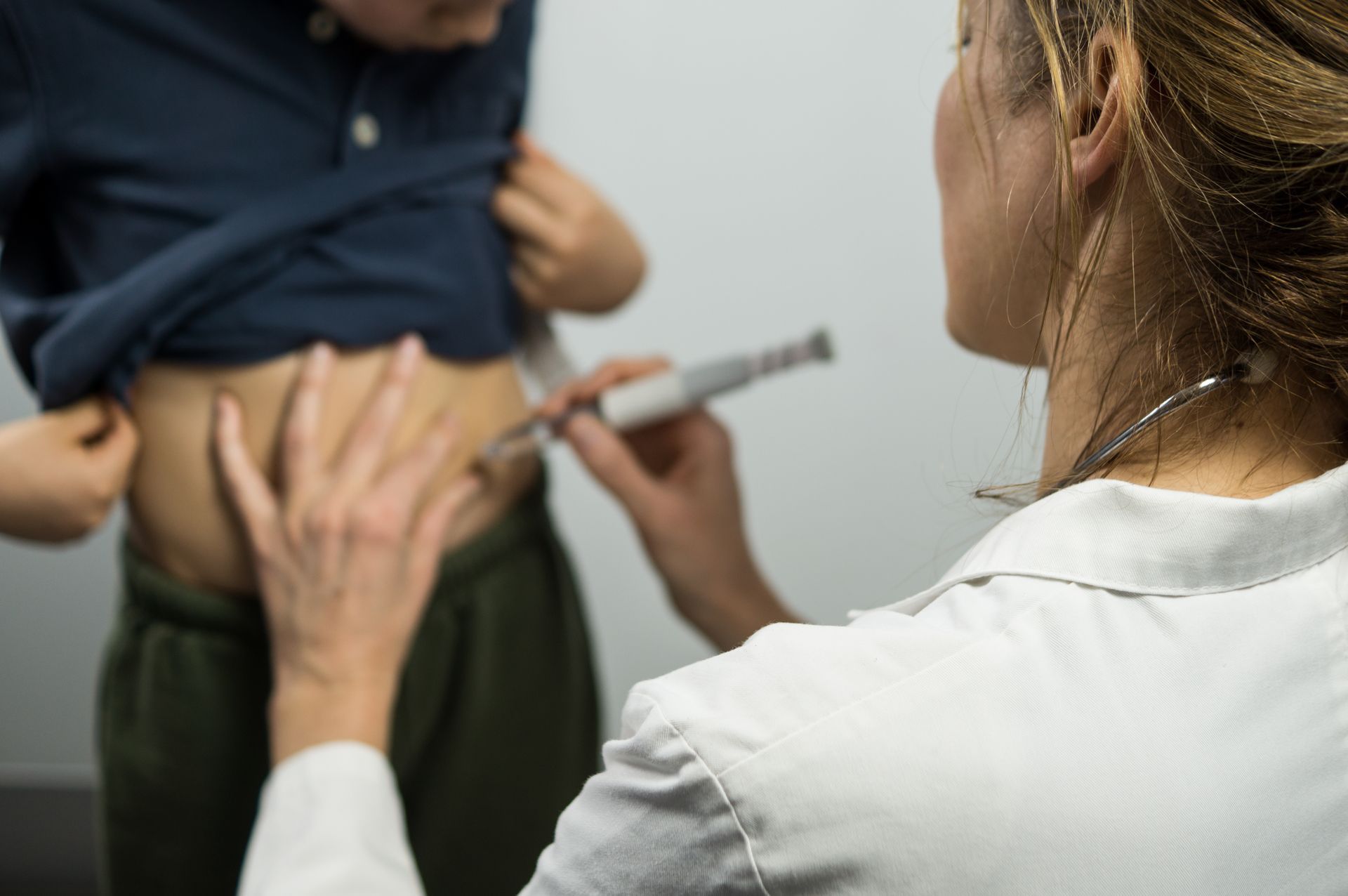
A physician-supervised program typically begins with a consultation. At that first visit, a provider reviews your health history, discusses treatment goals, and may administer an initial injection. Follow-up appointments often happen weekly so the care team can monitor your response and adjust the dose as needed.
For people seeking weight loss injections in Billings, MT, physician oversight means your other conditions are factored into every decision, not treated separately. Regular monitoring helps catch side effects early and keeps the treatment on track.
Common side effects can include nausea, vomiting, constipation, diarrhea, and changes in mood. These often improve as the body adjusts to the medication, but they should always be reported to your provider.
Questions to Ask Your Provider Before Starting
Your consultation is the right time to get specific answers.
Consider asking:
- How will this medication interact with my current prescriptions?
- How will we monitor my blood sugar or other relevant lab values?
- What signs should prompt me to call the office between appointments?
- How long should I expect to use this medication?
- What happens if I stop the injections?
Bringing a list of all current medications and supplements to your first appointment can help your provider give more accurate guidance.
Are Weight Loss Injections Safe for People With Multiple Health Conditions?
They can be, but safety depends on your specific health history and what other medications you take. A provider will review your full medical profile before recommending any injectable treatment. People with certain thyroid, pancreatic, or kidney conditions may not be eligible.
Take the Next Step With Personalized Care
Getting the right information is the first step, but personalized medical guidance is what makes a plan actually work. Fuller Family Medicine offers physician-supervised weight loss programs using treatments like semaglutide and tirzepatide, with regular check-ins and individualized dose management. The team is experienced in helping patients navigate weight loss alongside existing health conditions.
To learn more about available options, visit the weight loss services page or book an appointment to speak with a provider directly. You can also call (406) 651-9355 during office hours. Find Fuller Family Medicine on Google to read patient reviews and get directions to the West End Billings location.



How Long Does It Take to See Results From Weight Loss Injections? What Billings Patients Should Know